สิว ต้นเหตุที่ทำให้หลายคนรู้สึกเสียความมั่นใจ เพราะคนส่วนใหญ่ยังเชื่อว่าคนเป็นสิว ไม่ว่าที่ลำตัว หรือหน้า เกิดจากการไม่รักษาความสะอาด แต่ที่จริงแล้วความสกปรกไม่ใช่สาเหตุส่วนใหญ่ของปัญหา แต่สามารถเกิดขึ้นได้แม้จะรักษาความสะอาดดีแล้วก็ตาม ในบทความนี้จะพาไปรู้จักว่าสิวคืออะไร สาเหตุของการเกิดสิว ประเภทและบริเวณที่มักเกิดสิว
สิวคืออะไร
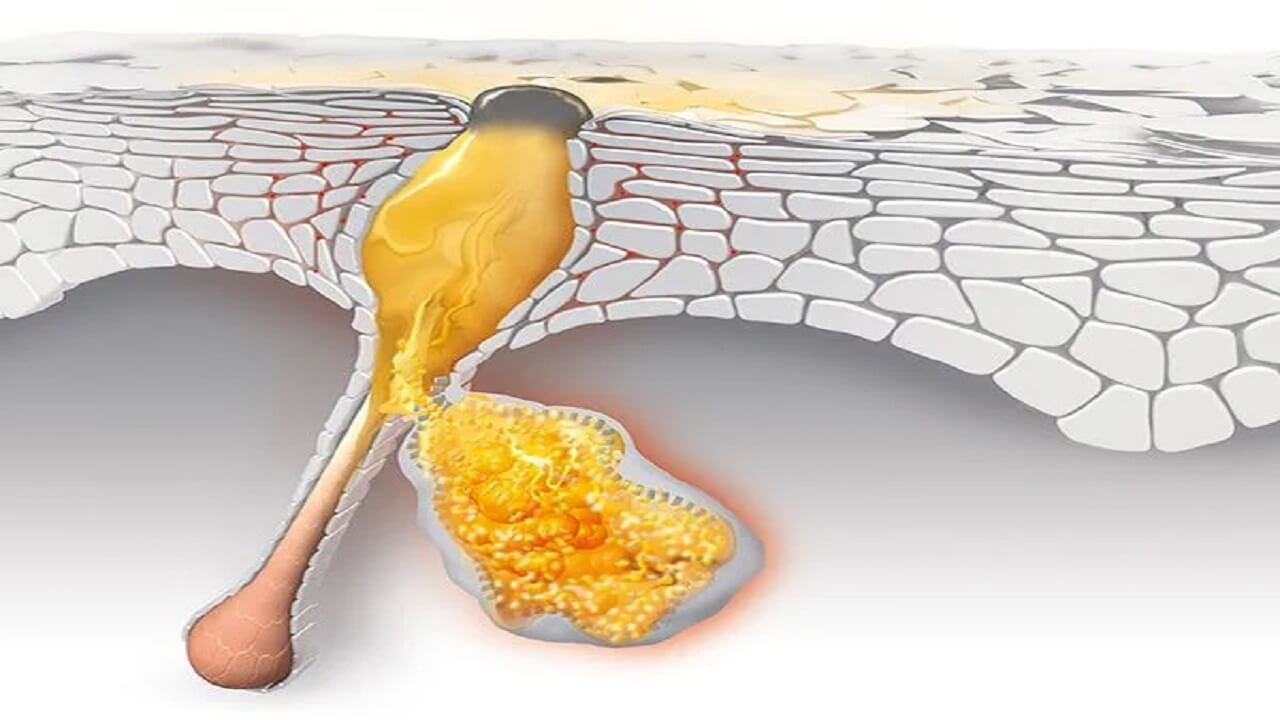
สิว (Acne หรือ Acne Vulgaris) เป็นภาวะการเกิดความผิดปกติบริเวณรูขุมขนและต่อมไขมันในรูขุมขน (Pilosebaceous unit) เมื่อเกิดความผิดปกติจากสาเหตุต่างๆ จะทำให้รูขุมขนอุดตันจนเกิดเป็นสิว บางครั้งการอุดตันอาจจะทำให้เนื้อเยื่อในบริเวณนั้นติดเชื้อและเกิดการอักเสบจากการตอบสนองของระบบภูมิคุ้มกัน ทำให้อักเสบได้
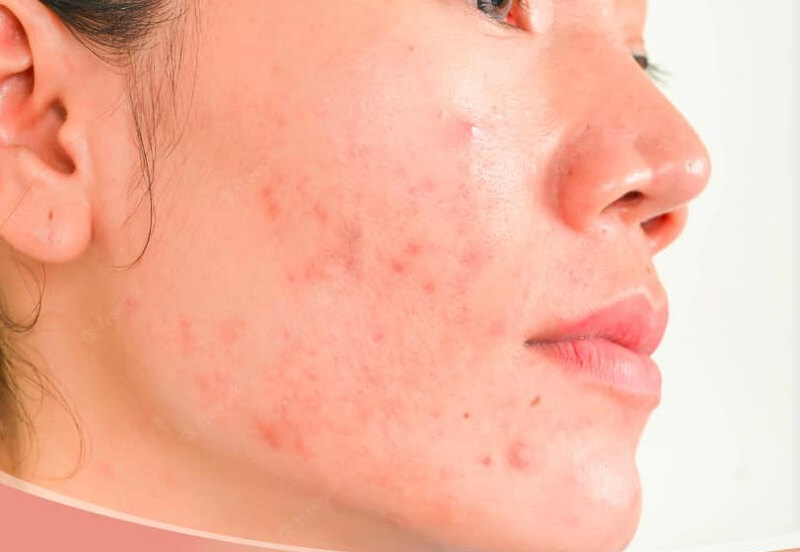
อาการของสิวจะแตกต่างกันไปตามชนิดและระยะของโรค ส่วนใหญ่จะเห็นเป็นตุ่มนูนขึ้นมาจากผิวหนัง จากการอุดตันของปากรูขุมขน (Comedone) เมื่อมีการอุดตันมากขึ้น รูขุมขนจะถูกขยายออก หรือเกิดเป็นถุง ก่อตัวขึ้นในรูขุมขน หากการอุดตันมีมากขึ้นเรื่อยๆ หรือถูกรบกวนจนผนังรูขุมขนเสียหาย สิ่งที่อยู่ภายในถุงนั้นจะปริเข้าสู่ชั้นลึกของผิวหนังและกระตุ้นให้เกิดการอักเสบ ภายนอกก็จะเห็นเป็นรอยแดง บางครั้งอาจมีหนองด้วย และหากติดเชื้อในผิวหนังชั้นที่ลึกร่วมด้วยก็จะกลายเป็นก้อนที่เป็นไตแข็งอักเสบอยู่ใต้ผิวหนังซึ่งรักษาได้ยากขึ้น
สิวเป็นโรคผิวหนังที่พบได้บ่อยมาก ทั้งที่หน้าอก หลัง และใบหน้า หน้าเป็นสิวจึงเป็นเรื่องปกติที่พบได้ทั่วไปสามารถพบได้มากถึง 85% ของประชากรที่อยู่ในช่วงวัยรุ่นและวัยผู้ใหญ่ ช่วงอายุ 12 – 25 ปี ส่วนในช่วงอายุอื่นๆ แม้กระทั่งทารกแรกเกิดก็สามารถพบสิวได้ และมักจะพบในผู้ชายมากกว่าผู้หญิง
สาเหตุการเกิดสิว
สาเหตุการเกิดสิวจึงมีหลายปัจจัยประกอบกัน อาจเกิดขึ้นเพียงแค่อย่างเดียวหรือเกิดจากหลายๆ อย่างร่วมกันก็ได้ โดยสิวนั้นเกิดจาก4 ปัจจัย ดังนี้
1. การเกิดสิวมักเกิดจากการอุดตันขนาดเล็กใต้ผิวหนัง
สิวอุดตัน (Comedone) คือสภาวะที่รูขุมขนเกิดการอุดตัน โดยไมโครโคมีโดน (Micro-comedone) คือชื่อเรียกของสิวอุดตันที่มองไม่เห็นด้วยตาเปล่า ซึ่งเกิดจากการสร้างชั้นเคราตินของเซลล์ผิวหนังปกติแล้วไมโครโคมีโดนจะสลายไปเองตามธรรมชาติ แต่ในกรณีของผิวเป็นสิว ในขณะที่ไมโครโคมีโดนสลายตัว จะเกิดการอักเสบใต้ชั้นผิวร่วมด้วย ซึ่งในทางการแพทย์เรียกการอักเสบนี้ว่า การอักเสบชนิดไม่รุนแรง (micro-inflammations)
เกิดจากการอักเสบชนิดไม่รุนแรงจากการสลายไมโครโคมีโดนภายในผิว สาเหตุหลักของวงจรสิวเพราะเป็นโรคที่มีพื้นฐานมาจากการอักเสบของผิวหนัง ผลการวิจัยพบว่าการอักเสบชนิดไม่รุนแรง เป็นสาเหตุหลักของการเกิดสิว ซึ่งแท้จริงแล้วการอักเสบชนิดไม่รุนแรงนี้จะเกิดขึ้นเป็นประจำอยู่แล้ว จากการที่ระบบภูมิคุ้มกันของร่างกายตอบสนองต่อแบคทีเรีย, ลิพิด (lipids) หรือฮอร์โมนแอนโดรเจน (ฮอร์โมนเพศชาย)
“การค้นพบล่าสุดพบว่า การอักเสบนั้นเกิดขึ้นในทุกขั้นตอนของการเกิดสิว ไม่ได้เกิดขึ้นเฉพาะในขั้นที่ปรากฏอยู่บนผิวหนังแล้ว” Dr.med. Markus Reinholz แพทย์ผิวหนังกล่าว
2. ภาวะการผลิตน้ำมันในผิวมากเกินไป (Seborrhea) และชั้นผิวก่อตัวหนาผิดปกติ (Hyperkeratosis)
ปัจจัยภายใน เช่น การเปลี่ยนแปลงของฮอร์โมน (ในช่วงเจริญวัยและช่วงมีรอบเดือน) รวมถึงการใช้ยาบางประเภท และปัจจัยภายนอก เช่น ผลกระทบจากมลภาวะ มีผลให้การผลิตน้ำมันในผิวเพิ่มขึ้นและชั้นผิวก่อตัวหนาขึ้น ซึ่งส่งผลให้เกิดสิวประเภทต่างๆ ทั้งหัวดำ หัวขาว โดยทั้ง 2 ปัจจัยนี้ ยังเป็นสาเหตุหลักของการเจริญเติบโตของแบคทีเรีย ทำให้เกิดการติดเชื้อ และท้ายที่สุดจะก่อให้เกิดชนิดตุ่มนูนแดง (Papule) และหัวหนอง (Pustule)
2.1 ภาวะผิวหนังผลิตไขมันมากผิดปกติ
โดยปกติต่อมไขมันจะหลั่งน้ำมัน เพื่อกักเก็บความชุ่มชิ้นใต้ผิว ซึ่งโดยคนที่เป็นสิวง่ายมีแนวโน้มจะมีฮอร์โมนแอนโดรเจนในเลือดสูง ซึ่งฮอร์โมนชนิดนี้จะกระตุ้นให้ต่อมไขมันผลิตน้ำมันออกมาในปริมาณมากกว่าปกติ ก่อให้เกิดการสะสมน้ำมันบนผิวหนัง และทำให้ต่อมไขมันอุดตัน
2.2 ภาวะชั้นผิวก่อตัวหนาขึ้นผิดปกติ (Hyperkeratosis)
เกิดจากการก่อตัวหนาขึ้นผิดปกติของผิวชั้นนอก ซึ่งเป็นผลมาจากการผลิตเซลล์ผิวในต่อมไขมันมากกว่าปกติ ทำให้การหลุดออกของเซลล์ผิวไม่เป็นไปตามธรรมชาติอีกทั้งยังมีไขมันส่วนเกินดักจับเซลล์ที่ตายแล้วเหล่านี้ไว้บนผิวหนังจนทำให้เกิดการอุดตัน อย่างไรก็ตาม ยังมีอีกหนึ่งสาเหตุที่ทำให้ชั้นผิวก่อตัวหนาขึ้นนั่นคือ แบคทีเรีย Propionibacterium acnes (หรือ P.acnes) โดยแบคทีเรีย P.acnes จะสร้างแผ่นฟิล์มบางๆ บนผิวหนังซึ่งจะขัดขวางกระบวนการหลุดลอกของชั้นผิวหนังตามปกติและก่อให้เกิดการอุดตัน
3. การเกิด สิวหัวดำ และสิวหัวขาว
- สิวหัวดำ คือ สิวที่มีจุดดำเล็กๆ ปรากฏบนผิวหนัง ซึ่งสาเหตุที่ที่เปลี่ยนเป็นสีดำเกิดจากการทำปฏิกิริยาของน้ำมันกับออกซิเจน ไม่ได้เกี่ยวกับการสัมผัสกับฝุ่น หรือสิ่งสกปรกแต่อย่างใด
- สิวหัวขาว คือ สิวที่มีไขมันอยู่ภายใต้ผิว มีลักษณะเป็นรอยกลมนูนที่มีสีขาวขุ่นปิดอยู่ส่วนบน
เมื่อน้ำมันที่สะสมในต่อมไขมันเกิดอุดตันในรูขุมขน ทำให้จะกลายเป็นสาเหตุของสิวอุดตันและสิวต่างๆ
4. การเจริญเติบโตของแบคทีเรีย ตัวการกระตุ้นให้การอักเสบรุนแรงขึ้นและก่อให้เกิดสิวอักเสบการสะสมของไขมันที่หลั่งออกมาจากต่อมไขมัน กลายเป็นแหล่งอาหารชั้นดีสำหรับแบคทีเรีย โดยเฉพาะแบคทีเรีย P.acnes แบคทีเรียชนิดนี้จะเข้ามาอาศัยอยู่ในต่อมไขมันที่มีการอุดตัน เพื่อย่อยสลายไขมันไปเป็นอาหาร กระบวนการนี้ก่อให้เกิดสารที่ทำให้เกิดการอักเสบมากขึ้นและทำให้เกิดสิวชนิดตุ่มนูนแดงและหัวหนองขึ้นได้ดังนั้นเราจึงสรุปได้ว่า แท้จริงแล้วสาเหตุหลักของการเกิดสิวมาจากการอักเสบไม่รุนแรงภายในผิว ที่ทำปฏิกิริยาร่วมกับต่อมไขมันที่ผลิตไขมันมากเกินไปและชั้นผิวที่หนาขึ้น อุดตันไขมันให้สะสมอยู่ภายในรูขุมขน และก่อให้เกิดเป็นสิวประเภทต่างๆ ซึ่งหากไขมันที่อุดตันและสะสมอยู่ภายในรูขุมขนไม่ได้รับการดูแลรักษาอย่างเหมาะสม ก็จะกลายเป็นแหล่งอาหารชั้นดีให้กับแบคทีเรีย โดยเฉพาะแบคทีเรีย P.acnes และในช่วงการเจริญเติบโตของแบคทีเรีย ในขั้นตอนของกระบวนการย่อยไขมันส่วนเกินนี้ให้เป็นอาหาร จะเกิดการผลิตสารกระตุ้นการอักเสบ ทำให้ผิวเกิดการอักเสบ หรือเกิดการอักเสบตามมาได้นั่นเอง และสาเหตุจากสิ่งเหล่านี้ยังก่อให้เกิดสิวที่คอ และที่หลังได้อีกด้วย
ประเภทของสิว
ประเภทของสิวสามารถแบ่งได้ 2 แบบ คือแบ่งตามความรุนแรงและแบ่งตามลักษณะ หากแบ่งตามความรุนแรงจะสามารถแบ่งได้เป็น 3 ระดับ ได้แก่
- สิวเล็กน้อย หรือไม่รุนแรง (mild acne) คือเป็นสิวอุดตันที่ไม่มีอาการอักเสบ ได้แก่ สิวอุดตันหัวเปิด และอุดตันนหัวปิด หรืออักเสบในผิวหนังชั้นตื้นๆ อย่างสิวตุ่มแดง (Papule) และหัวหนอง (Pustule) จำนวนเล็กน้อย
- สิวปานกลาง (moderate acne) คือเป็นสิวตุ่มแดง (Papule) และหัวหนอง (Pustule) จำนวนปานกลาง หรืออักเสบลึกอย่าง nodular acne จำนวนเล็กน้อย
- สิวรุนแรง (severe acne) คือเป็นสิวตุ่มแดง (Papule) และหัวหนอง (Pustule) จำนวนมาก เป็นแบบ nodular acne จำนวนมาก เป็นเรื้อรัง หรืออักเสบขั้นรุนแรง severe nodular acne อย่าง acne conglobata หรือ acne fulminans
หากแบ่งตามลักษณะจะสามารถแบ่งได้เป็น 2 แบบใหญ่ๆ ได้แก่ สิวไม่อักเสบ และสิวอักเสบ
บริเวณที่มักเกิดสิว
เกิดขึ้นได้มากที่สุดบริเวณใบหน้า และสามารถเกิดได้ในบริเวณลำตัวช่วงบนด้วย อย่างบริเวณอกและหลัง โดยเฉพาะบริเวณเส้นกึ่งกลางลำตัว อย่างหน้าผาก จมูก และคาง ซึ่งสิวแต่ละที่ก็มีสาเหตุการเกิดส่วนใหญ่ที่แตกต่างกันไป ดังนี้
มักจะเกิดมากกว่าที่อื่นๆ เนื่องจากเป็นบริเวณที่อยู่ในเส้นกึ่งกลาง และเป็นบริเวณบนใบหน้าที่จะผลิตน้ำมันออกมามากกว่าปกติในผู้ที่มีผิวผสม ทำให้เมื่อต่อมไขมันทำงานมากกว่าปกติ จึงมักจะเกิดขึ้นที่คางก่อน สิวรอบปากรอบคาง มักสัมพันธ์กับฮอร์โมน และการรับประทานอาหารที่มีนม หรือผลิตภัณฑ์จากนม นอกจากนี้สิวที่คางยังเกิดจากสิ่งสกปรกได้มากเนื่องจากคางเป็นตำแหน่งบนใบหน้าที่คนเรามักจับเล่นโดยไม่รู้ตัวเช่นเวลาเท้าคาง อีกทั้งคางยังเป็นตำแหน่งที่สัมผัสกับหน้ากากอนามัยโดยตรง เมื่อจำเป็นต้องใส่หน้ากากบ่อยๆ จะทำให้ มีการเสียดสี สิ่งสกปรกสะสมจนรูขุมขนอุดตัน หรือติดเชื้อแบคทีเรียได้ง่าย ทำให้เป็นสิวในที่สุด
เป็นบริเวณที่มักเกิดสิวก่อนส่วนอื่นๆ เช่นเดียวกับคาง เพราะอยู่ในบริเวณเส้นกึ่งกลางใบหน้าและผลิตน้ำมันออกมามากกว่าผิวส่วนอื่นๆ นอกจากเรื่องความมันแล้วหน้าผากก็เป็นบริเวณที่สัมผัสกับสิ่งสกปรกมาก เนื่องจากเป็นจุดที่มีเหงื่อเยอะ สิวที่หน้าผากมักสัมพันธ์กับความเครียด การอดนอนพักผ่อนไม่เพียงพอ อีกทั้งยังเป็นจุดที่ถ้าไว้ผมหน้าม้า ใส่หมวก หรือใส่ผ้าคาดศีรษะ ก็จะทำให้สิ่งสกปรก อย่างเหงื่อไคลและมลภาวะสะสมอยู่ที่หน้าผากมากขึ้น ทำให้เกิดสิวได้ง่ายกว่าบริเวณอื่นๆ
จมูกก็เป็นอีกส่วนหนึ่งที่อยู่เส้นกึ่งกลาง ทำให้สิวที่จมูกสามารถเกิดขึ้นได้มากกว่าส่วนอื่นๆ และเกิดความมันได้เหมือนกับที่คางและที่หน้าผาก สิวที่จมูกส่วนใหญ่จะอุดตันชนิดหัวเปิด และสิวเสี้ยน (Trichostasis Spinulosa) เป็นขนและรากขน ที่ในรูขุมขนนั้นมีขนขึ้นหลายเส้น และจับตัวกับ sebum รวมถึงสิ่งสกปรกและเซลล์ที่ตายแล้ว จนเกิดเป็นก้อนคล้ายสิวอยู่รอบๆ เส้นขนเหล่านั้นอีกทีหนึ่ง
มักจะเกิดจาก การล้างหน้าไม่สะอาด และสิ่งสกปรกเป็นหลัก เนื่องจากแก้มเป็นบริเวณที่ต้องสัมผัสกับหลายสิ่ง ทั้งสัมผัสกับหมอนเวลานอน สัมผัสกับเส้นผม กรอบแว่น หรือสัมผัสกับโทรศัพท์ที่เป็นแหล่งรวมสิ่งสกปรกและเชื้อโรคต่างๆด้วย สามารถเกิดจากความน้ำมัน หรือการผลัดเซลล์ผิวที่ผิดปกติได้เช่นกัน
มักจะอยู่บริเวณรอบๆริมฝีปาก เกิดจากสิ่งสกปรกได้มากเหมือนกันกับสิวที่แก้ม เพราะปากเป็นบริเวณที่เราใช้ทานข้าว เมื่ออาหารสัมผัสรอบๆ ปาก ก็อาจทำให้เกิดสิวได้หากรักษาความสะอาดได้ไม่ดีพอ นอกจากนี้ยังสามารถเกิดจากการแพ้ผลิตภัณฑ์ต่างๆ ได้ด้วย ทั้งยาสีฟัน ลิปสติก หรือน้ำยาบ้วนปาก บางครั้งก็อาจเกิดจากการใส่หน้ากากอนามัยเป็นเวลานานได้เช่นกัน
เป็นปัญหาที่มักเกิดจากเส้นผมเป็นส่วนใหญ่ เพราะเป็นบริเวณที่สิ่งสกปรกจากเส้นผมและหนังศีรษะไหลมาสะสมอยู่ หากไว้ผมยาว ชอบปล่อยผม เส้นผมจะทำให้ผิวหนังอับ จนเหงื่อไคลสะสมและเกิดเป็นสิวขึ้นมา นอกจากนี้ยังอาจเกิดจากการแพ้ยาสระผม หรือผลิตภัณฑ์ที่ใช้กับเส้นผมและหนังศีรษะอื่นๆ ด้วย
สามารถเกิดได้จากหลายสาเหตุ บริเวณหลังก็เป็นอีกบริเวณหนึ่งที่อยู่ในแนวเส้นกึ่งกลาง สามารถเกิดสิวได้มากจากหลายสาเหตุ ทั้งความมัน การผลัดเซลล์ผิวที่ผิดปกติ เชื้อแบคทีเรีย และการอักเสบของผิวหนัง สิวที่หลังเกิดจากเชื้อยีสต์หรือเชื้อราตัวเล็กๆได้มาก เนื่องจากเป็นที่ที่อยู่ในร่มผ้าตลอดเวลา บางครั้งเหงื่อไคล รวมถึงสิ่งสกปรก น้ำมันบนผิวหนัง ส่งเสริมให้สภาพแวดล้อมของผิวเหมาะกับการอยู่อาศัยของยีสต์เหล่านี้มากขึ้น ยิ่งคนที่อยู่ในที่ร้อน หรือสะพายเป้ติดหลังอยู่ตลอดเวลา จะยิ่งเกิดสิวที่หลังได้ง่ายมาก
นอกเหนือจากเหตุผลเหล่านี้ ตำแหน่งการเกิดสิวในที่ต่างๆ สามารถเกิดจากกรรมพันธุ์ได้เช่นกัน เนื่องจากบริเวณที่ต่อมไขมันสร้างน้ำมันมาก การตอบสนองต่อฮอร์โมน ลักษณะการผลัดเซลล์ผิวในแต่ละบริเวณ สามารถกำหนดได้โดยลักษณะทางกรรมพันธุ์ทั้งหมด
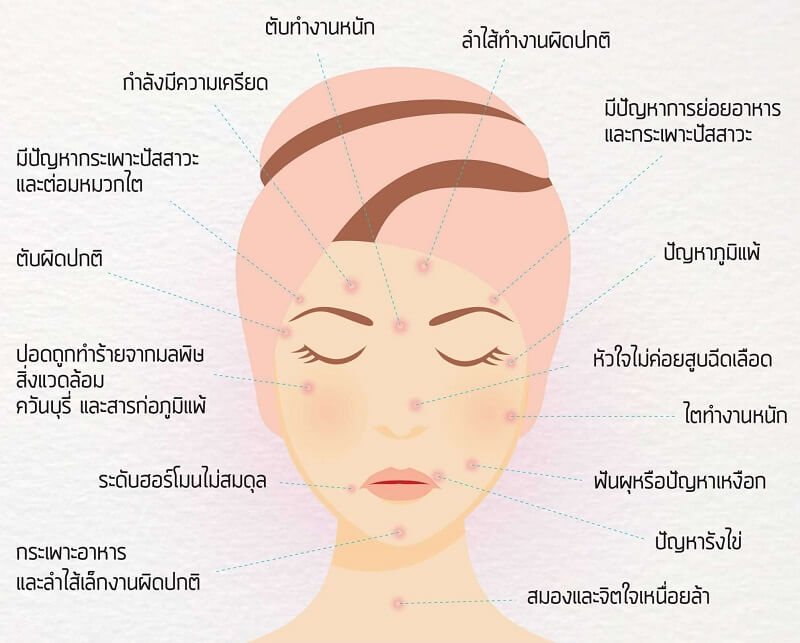
จุดสิวบนใบหน้าบอกโรคอะไร
- จุดที่ 1 หน้าผากส่วนบน – ลำไส้ทำงานผิดปกติ ควรรับประทานอาหารและเครื่องดื่มที่อุดมไปด้วยส่วนประกอบของสารต้านอนุมูลอิสระ เช่น คะน้า บร็อคโคลี ผักโขม น้ำส้ม น้ำแครนเบอร์รี่ ไวน์แดง ฯลฯ
- จุดที่ 2 หน้าผากส่วนล่าง – กำลังมีความเครียด นอนหลับพักผ่อนให้เพียงพอและทำใจให้สบาย รู้จักปล่อยวาง รวมทั้งค่อยๆ แก้ปัญหาด้วยสติ
- จุดที่ 3 หน้าผากด้านซ้าย – มีปัญหากระเพาะปัสสาวะและต่อมหมวกไต ทำใจให้สบายและผ่อนคลายความเครียด
- จุดที่ 4 หน้าผากด้านขวา – มีปัญหาการย่อยอาหารและกระเพาะปัสสาวะ ลดความเครียดและหากิจกรรมที่สร้างความผ่อนคลายทำ เช่น ออกกำลังกาย ดูหนัง ฟังเพลง
- จุดที่ 5 ระหว่างคิ้ว – ตับผิดปกติ ลดอาหารรสจัดและไม่นอนดึกดื่นหลังเที่ยงคืน
- จุดที่ 6 รอบดวงตาทั้งสองข้าง – ปัญหาภูมิแพ้ พักผ่อนให้มาก รับประทานอาหารที่มีประโยชน์ และหาโอกาสล้างพิษให้ร่างกายได้นำสารพิษตกค้างออกจากร่างกาย
- จุดที่ 7 ใบหูทั้งสองข้าง – ไตทำงานหนัก ดื่มน้ำเปล่าให้มากขึ้นและงดรับประทานอาหารรสเค็ม รวมทั้งคาเฟอีน
- จุดที่ 8 รอบคิ้ว – ตับทำงานหนัก หลีกเลี่ยงเครื่องดื่มที่มีแอลกอฮอล์และอาหารที่มีไขมันสูง อาทิ ข้าวขาหมู ข้าวมันไก่ ผัดไทยกุ้งสด ข้าวผัดอเมริกัน ฯลฯ
- จุดที่ 9 แก้มบนทั้งสองข้าง – ปอดถูกทำร้ายจากมลพิษ สิ่งแวดล้อม ควันบุรี่ และสารก่อภูมิแพ้ ระมัดระวังไม่สัมผัสกับมลพิษโดยตรง และหาโอกาสสูดอากาศบริสุทธิ์หรืออยู่ในสถานที่ที่มีต้นไม้เยอะๆ เช่น สวนสาธารณะ
- จุดที่ 10 แก้มล่างทั้งสองข้าง – ฟันผุหรือปัญหาเหงือก หมั่นดูแลสุขภาพช่องปาก หากเกิดอาการผิดปกติควรไปพบทัตแพทย์เพื่อหาทางรักษาให้หายเป็นปกติ
- จุดที่ 11 จมูก – หัวใจไม่ค่อยสูบฉีดเลือด หาเวลาออกกำลังกายบ้าง เพื่อกระตุ้นระบบหัวใจให้สูบฉีดเลือดอย่างเต็มประสิทธิภาพ เพราะหากร่างกายสูบฉีดเลือดต่ำเป็นระยะเวลานานจะนำไปสู่โรคร้ายแรงอื่นๆ ตามมา
- จุดที่ 12 มุมข้างปาก – ระดับฮอร์โมนไม่สมดุล ทำตัวสบายๆ และผ่อนคลาย ไม่หมกมุ่นจดจ่ออยู่กับเรื่องใดเรื่องหนึ่งเกินไปจนเกิดความเครียด
- จุดที่ 13 ริมฝีปากด้านซ้ายและขวา – ปัญหารังไข่ อาจเกิดสิวบริเวณนี้ช่วงที่มีประจำเดือน ควรรับประทานอาหารที่มีประโยชน์และหมั่นออกกำลังกาย
- จุดที่ 14 คาง – กระเพาะอาหารและลำไส้เล็กงานผิดปกติ งดอาหารขยะ รับประทานผักผลไม้และอาหารที่มีไฟเบอร์สูงจะช่วยให้ระบบย่อยทำงานได้ดีขึ้น
- จุดที่ 15 ลำคอและหน้าอก – สมองและจิตใจเหนื่อยล้า หาโอกาสพักผ่อนและท่องเที่ยวบ้าง เพื่อจะได้พบเจอสิ่งใหม่ๆ
บทสรุป
การป้องกันสิวที่ดีคือล้างหน้าตามแนวรูขุมขน ให้สะอาดวันละ 2 ครั้ง ไม่มากไม่น้อยเกินไป ทานอาหารที่มีประโยชน์ครบห้าหมู่ ผ่อนคลายความเครียด ปรึกษาแพทย์ทุกครั้งก่อนเริ่มใช้ยาใดก็ตาม และเมื่อเริ่มเป็นควรปรึกษาแพทย์เพื่อป้องกันการอักเสบรุนแรงที่อาจนำไปสู่แผลเป็น หากเกิดสิวบนใบหน้า หรือเป็นสิวในจุดเดิมตำแหน่งเดิมซ้ำๆ กัน อย่าชะล่าใจ ต้องหมั่นตรวจเช็คสุขภาพและดูแลตัวเองอย่างสม่ำเสมอ เพื่อสุขภาพร่างกายที่สมบูรณ์แข็งแรงและใบหน้าใสไร้รอยสิว
เรื่องเกี่ยวกับสุขภาพอื่นๆ ที่น่าสนใจ
ที่มาของบทความ
ติดตามเรื่องเกี่ยวกับสุขภาพได้ที่ wongjason.com
สนับสนุนโดย ufabet369